Experience Authentic Soul Food Tours in New Orleans

New Orleans is a city that pulses with life, culture, and, most importantly, food. If you’re looking to dive deep into the culinary heart of this vibrant city, then experiencing authentic soul food tours is a must. These tours not only tantalize your taste buds but also provide a rich history of the dishes that have shaped the local culture. In this blog post, we will explore the essence of soul food in New Orleans, the best tours available, and what you can expect from this unforgettable experience.
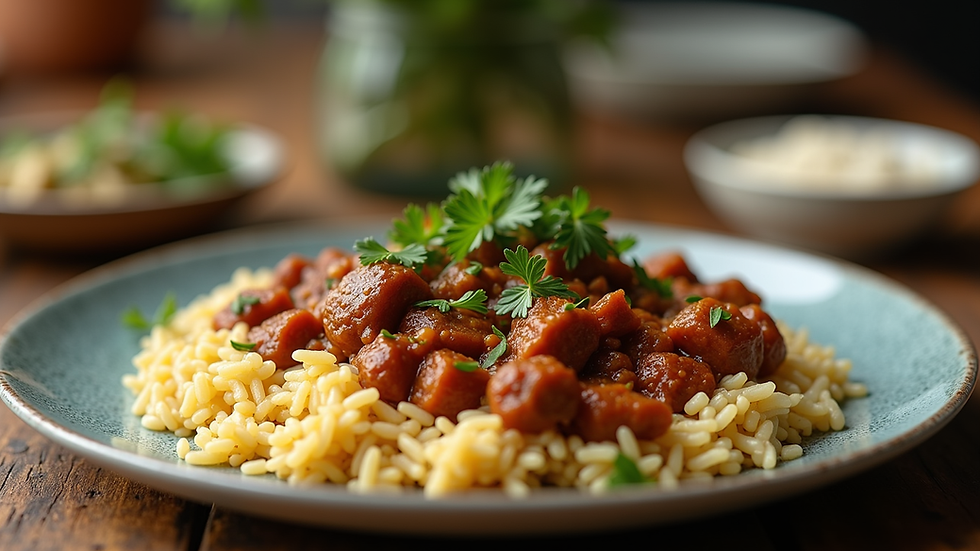
The Essence of Soul Food
Soul food is more than just a meal; it is a cultural expression that has roots in African American history. Originating from the Southern United States, soul food encompasses a variety of dishes that reflect the resourcefulness and creativity of those who prepared them. In New Orleans, soul food is infused with Creole and Cajun influences, creating a unique culinary landscape.
Key Ingredients
Soul food is characterized by its use of simple, hearty ingredients that are often locally sourced. Here are some staples you can expect to find:
Rice: A base for many dishes, including jambalaya and gumbo.
Beans: Often served as a side or incorporated into main dishes.
Greens: Collard greens, mustard greens, and turnip greens are popular choices.
Meats: Pork, chicken, and fish are commonly used, often seasoned with bold spices.
Cornbread: A classic side that complements many soul food meals.
Cultural Significance
Soul food is deeply intertwined with the history of African Americans in the South. It represents resilience, community, and the ability to create something delicious from limited resources. Each dish tells a story, making every bite a connection to the past.
Why Choose a Soul Food Tour?
Participating in a soul food tour in New Orleans offers several benefits:
Authentic Experience: Taste dishes prepared by local chefs who have mastered the art of soul food.
Cultural Insight: Learn about the history and significance of each dish from knowledgeable guides.
Community Support: Many tours partner with local restaurants, ensuring your experience supports the community.
Variety: Sample a range of dishes, from classic gumbo to sweet potato pie, all in one outing.
Top Soul Food Tours in New Orleans
When it comes to soul food tours, New Orleans has a wealth of options. Here are some of the best tours to consider:
1. New Orleans Culinary History Tours
This tour combines food tasting with a deep dive into the history of New Orleans cuisine. You’ll visit several local eateries, sampling dishes like gumbo, jambalaya, and po'boys. The knowledgeable guides share stories about the origins of these dishes and their significance in the local culture.
2. Tastebud Tours
Tastebud Tours offers a unique experience that focuses on the flavors of New Orleans. Their soul food tour includes stops at iconic restaurants where you can try fried chicken, collard greens, and homemade desserts. The tour also emphasizes the importance of family recipes and traditions.
3. NOLA Food Tours
NOLA Food Tours provides a comprehensive culinary experience, featuring a mix of soul food and other local cuisines. You’ll explore the vibrant neighborhoods of New Orleans while tasting dishes that reflect the city’s diverse culinary heritage. This tour is perfect for those who want to experience a variety of flavors.
4. Savory Tours
Savory Tours specializes in small group experiences, allowing for a more intimate setting. Their soul food tour includes visits to family-owned restaurants where you can enjoy dishes made from generations-old recipes. The guides share personal stories that enhance the experience.
What to Expect on Your Tour
When you embark on a soul food tour in New Orleans, here’s what you can expect:
Engaging Guides
Most tours are led by passionate locals who are eager to share their knowledge. They provide insights into the history of soul food and its cultural significance, making the experience both educational and enjoyable.
Delicious Tastings
Prepare your taste buds for a variety of flavors. You’ll sample iconic dishes, and many tours include generous portions, ensuring you leave satisfied. Don’t be surprised if you discover new favorites along the way!
Scenic Walks
Many tours involve walking through the beautiful streets of New Orleans. You’ll have the chance to appreciate the architecture and vibrant atmosphere while making your way to different eateries.
Opportunities for Interaction
Most tours encourage questions and interaction, allowing you to engage with both your guide and fellow participants. This creates a sense of community and shared experience.
Tips for Your Soul Food Tour
To make the most of your soul food tour, consider the following tips:
Come Hungry: With so many delicious dishes to try, arrive with an appetite.
Ask Questions: Don’t hesitate to ask your guide about the dishes or the history behind them. This enhances your understanding and appreciation.
Take Notes: If you discover a dish you love, jot it down so you can recreate it at home.
Be Open-Minded: You may encounter dishes you’ve never tried before. Embrace the experience and be willing to step outside your comfort zone.
Conclusion
Experiencing authentic soul food tours in New Orleans is a journey through the city’s rich culinary landscape. From the hearty flavors of gumbo to the sweetness of pecan pie, each dish tells a story that connects you to the culture and history of the region. Whether you’re a local or a visitor, these tours offer a unique opportunity to savor the essence of New Orleans. So, gather your friends or family, book a tour, and prepare for a delicious adventure that will leave you with lasting memories and a deeper appreciation for soul food.


Comments